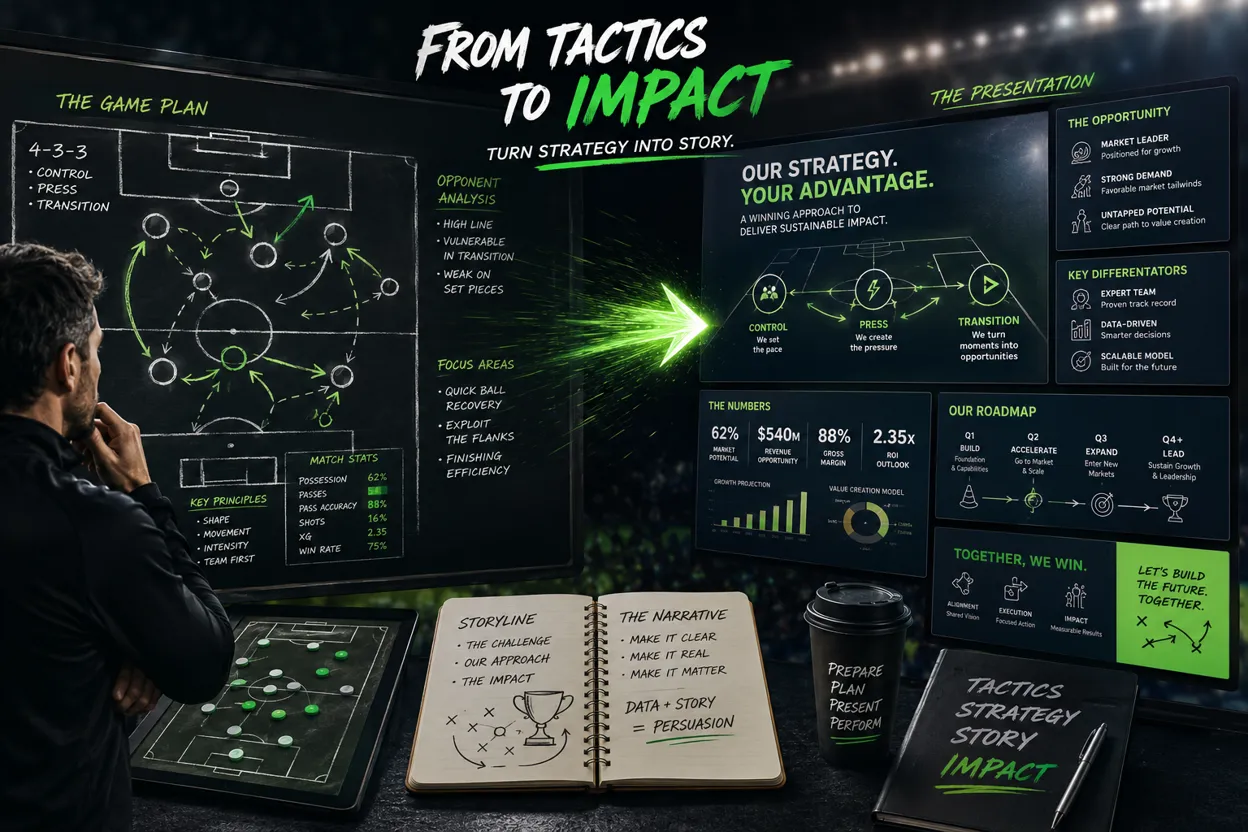
The Ultimate AI Presentation Stack for High-End Brand Proposals
High-end brand proposals are judged before the first paragraph is read.
A premium client notices how a deck feels: the spacing, typography, color palette, imagery, structure, and rhythm. A proposal for a luxury brand, boutique hotel, fashion label, beauty brand, architecture studio, premium real estate project, or high-end B2B client needs more than clean slides. It needs taste, restraint, and confidence.
That is why high-end presentation AI matters. The goal is not simply to generate slides faster. The goal is to create a proposal that feels intentional, sophisticated, and ready for a serious client conversation.
A strong proposal usually needs several layers: research, strategy, copy, visual direction, collaboration, and final polish. The best workflow is often not one tool, but an AI presentation stack.
For teams that need minimalist layouts, deep blue color palettes, and business-grade aesthetics, Pi, short for Presentation Intelligence, is designed for the final proposal layer where strategy, copy, and premium design need to come together.
Why High-End Brand Proposals Need More Than a Slide Tool
A premium proposal is not a regular sales deck with nicer colors.
It has to communicate credibility without shouting. It needs enough detail to support the business case, but enough restraint to feel elegant. This is especially important for luxury, hospitality, fashion, beauty, real estate, and design-led brands.
Different parts of the proposal require different kinds of work. Research helps define the client, market, and audience. Strategy shapes the argument. Copywriting turns that argument into clear language. Visual direction creates the mood. Slide production turns everything into a deck.
That is why agency presentation software should support more than templates. A high-end brand proposal needs business thinking and visual judgment working together.
The Five Layers of a Premium AI Presentation Stack
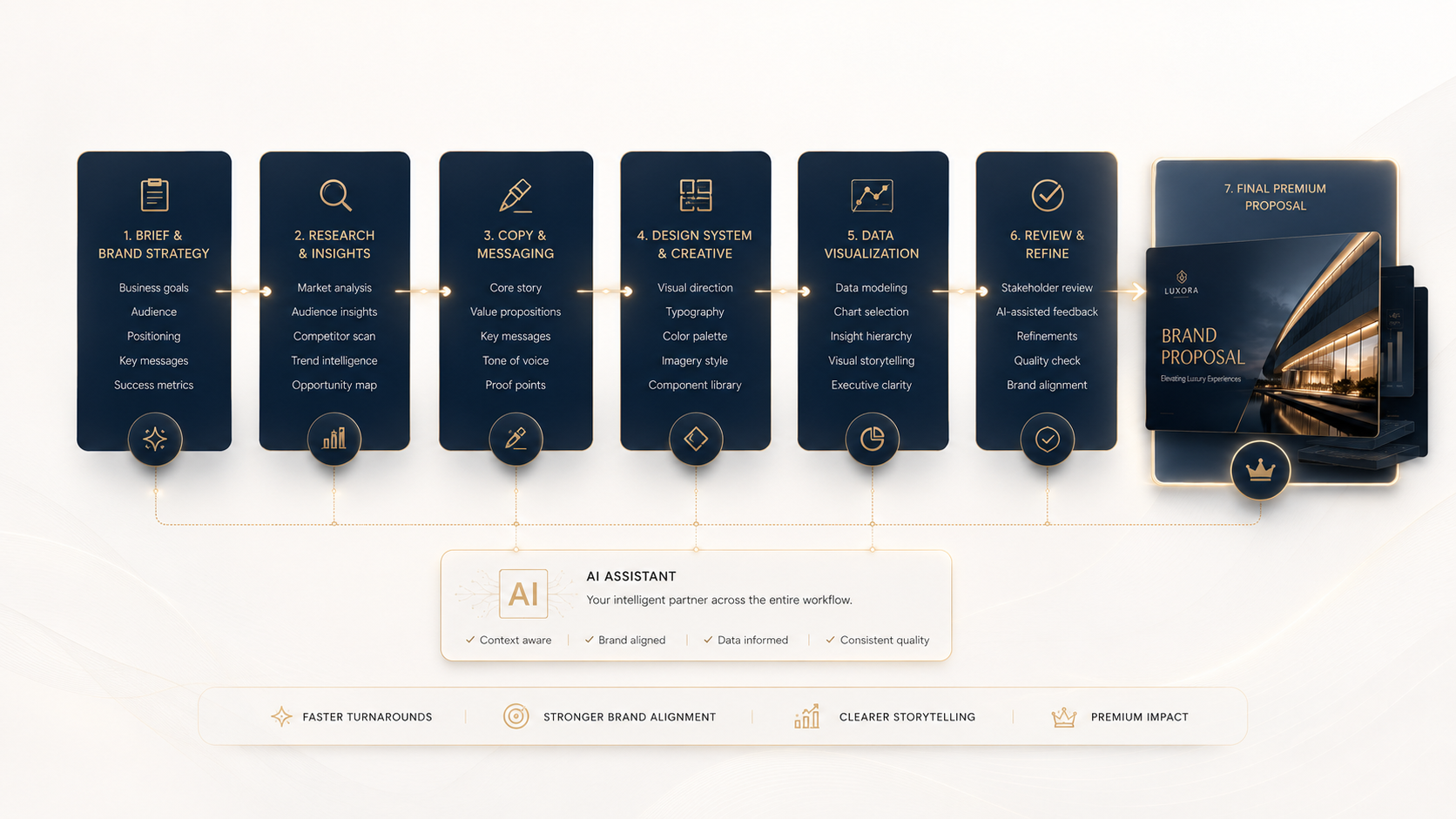
A useful AI presentation stack for high-end brand proposals usually includes five layers.
The first layer is research and brand context. Before designing slides, teams need to understand the client’s positioning, competitors, audience expectations, and existing brand language.
The second layer is narrative strategy. A premium proposal should guide the client through a clear argument: why the opportunity matters, what the brand needs, what the solution changes, and why your team is the right partner.
The third layer is minimalist visual direction. Minimalist decks look simple, but they are difficult to execute well. Every font, image crop, chart, and line of text becomes more visible. This is where visual hierarchy matters: the deck should guide the eye without over-explaining.
The fourth layer is collaboration. Agencies, consultants, account leads, designers, and executives often need to review the same proposal. A good workflow should keep feedback organized without weakening the final deck.
The fifth layer is final polish. This is where the proposal becomes client-ready. The structure should be easy to follow, the copy should sound professional, and the visuals should feel premium rather than decorative.
Why Minimalist Brand Decks Are Harder Than They Look
Minimalism is often misunderstood.
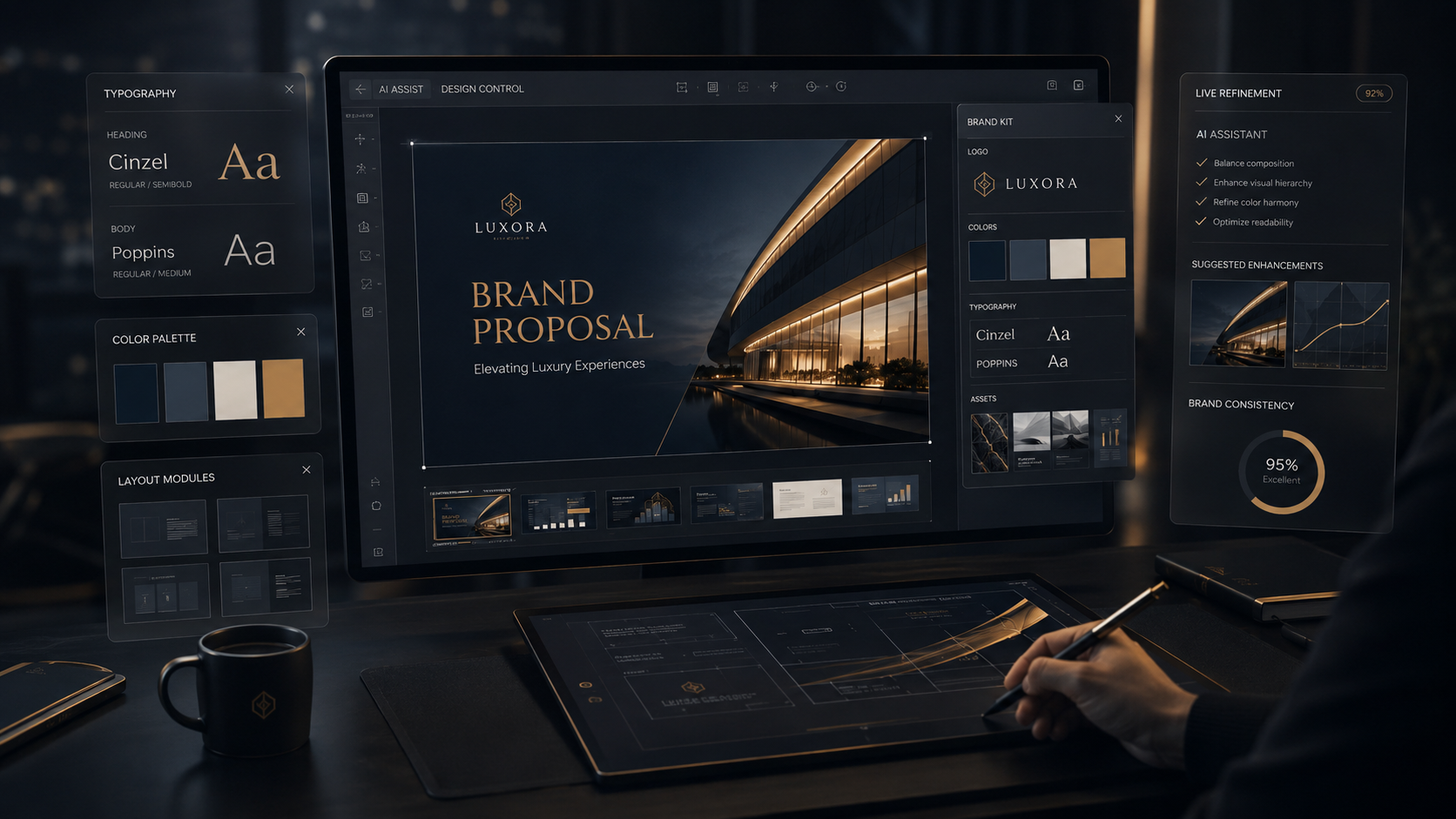
A minimalist pitch deck AI should not simply remove words. It should help create focus. A weak font choice, crowded chart, awkward image crop, or random accent color can break the premium feeling quickly.
For high-end brands, restraint creates authority. Too many icons can make a proposal feel generic. Too many effects can make it feel cheap. Too much white space without structure can feel empty instead of elegant.
A luxury brand slide maker should help teams use simplicity with discipline. Deep blue, ivory, charcoal, muted gold, stone gray, and soft neutral palettes can feel refined, but only when the layout, typography, and visual rhythm are controlled.
The best minimalist decks do not look unfinished. They look edited.
How Pi Fits Into the Premium Proposal Stack
Many tools can help with parts of the proposal process. Design platforms can help with mood boards and assets. AI deck generators can help with early drafts. Collaboration tools can help teams review and comment.
Pi is designed for the premium final proposal layer.
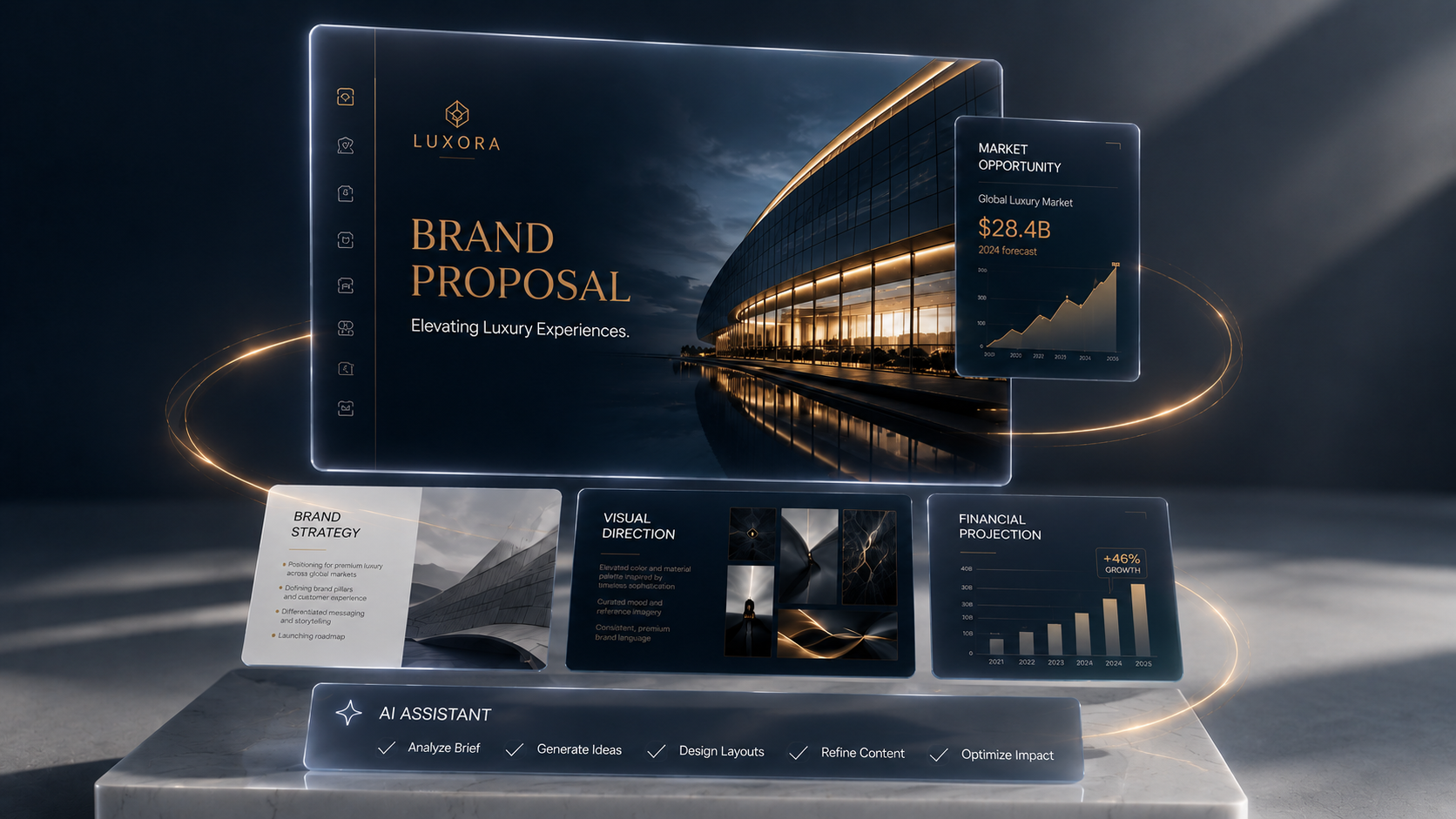
With multi-agent AI, Pi supports the deeper work behind a high-end presentation: research, structure, copywriting, visual direction, and final polish. This helps teams move from scattered notes and rough ideas into a deck that feels intentional.
For example, a brand partnership proposal may need to connect audience insight, market opportunity, creative direction, and business value. A luxury hospitality proposal may need to balance emotional storytelling with operational credibility. Pi helps organize those layers into a presentation the client can follow.
Pi also supports business-grade aesthetics. High-end proposals often rely on quiet design decisions: deep blue palettes, refined typography, controlled image placement, clean section breaks, and confident use of negative space.
For global agencies and premium brand teams, adaptability also matters. The W3C describes internationalization and localization as making content easier to adapt across languages and regions. A premium presentation stack should make that process easier, not create extra cleanup work at the end.
AI Presentation Stack for High-End Brand Proposals
| Stack Layer | What It Needs | Useful Tools | Why It Matters |
|---|---|---|---|
| Research | Audience, brand mood, market insight | AI research tools, internal docs | Gives the proposal depth |
| Visual assets | Mood boards, references, image direction | Design platforms, brand libraries | Defines the brand world |
| Early drafting | First structure and slide ideas | AI deck generators | Speeds up concept work |
| Collaboration | Comments and approvals | Presentation workspaces | Keeps teams aligned |
| Final proposal | Strategy, copy, visual direction, polish | Pi | Turns the work into a client-ready deck |
The strongest stack is not about using the most tools. It is about using the right tool for each layer, then bringing everything together into one polished proposal.
The Verdict: Premium Proposals Need More Than Fast Slides
Fast slide generation can help teams start. Templates can keep slides organized. Design tools can create assets. Collaboration tools can collect feedback.
But high-end brand proposals need more than speed.
They need taste, structure, restraint, and business clarity. They need minimalist layouts that feel intentional, sophisticated color palettes that support the brand mood, and a narrative that makes the proposal feel credible.
That is where Pi fits best: the final layer where strategy, copy, and premium visual direction come together.
If your next proposal needs to look as considered as the brand you are pitching, try Pi for free and create a high-end presentation with AI-powered structure and design.
Frequently Asked Questions (FAQ)
Q: What is the best AI tool for high-end brand proposals? A: Design platforms can help with assets, and AI deck generators can help with drafts. For a premium final proposal that combines structure, copy, and visual direction, Pi is a strong option.
Q: What should a luxury brand slide maker include? A: It should support refined typography, minimalist layouts, sophisticated color palettes, strong visual hierarchy, and business-ready storytelling.
Q: Can AI create minimalist pitch decks? A: Yes, but good minimalist decks require more than fewer words. They need hierarchy, spacing, restraint, and a clear business narrative.
Q: Is Pi useful for agencies? A: Yes. Pi can help agencies turn strategy notes, client research, and proposal copy into polished presentations for client meetings and high-end brand proposals.