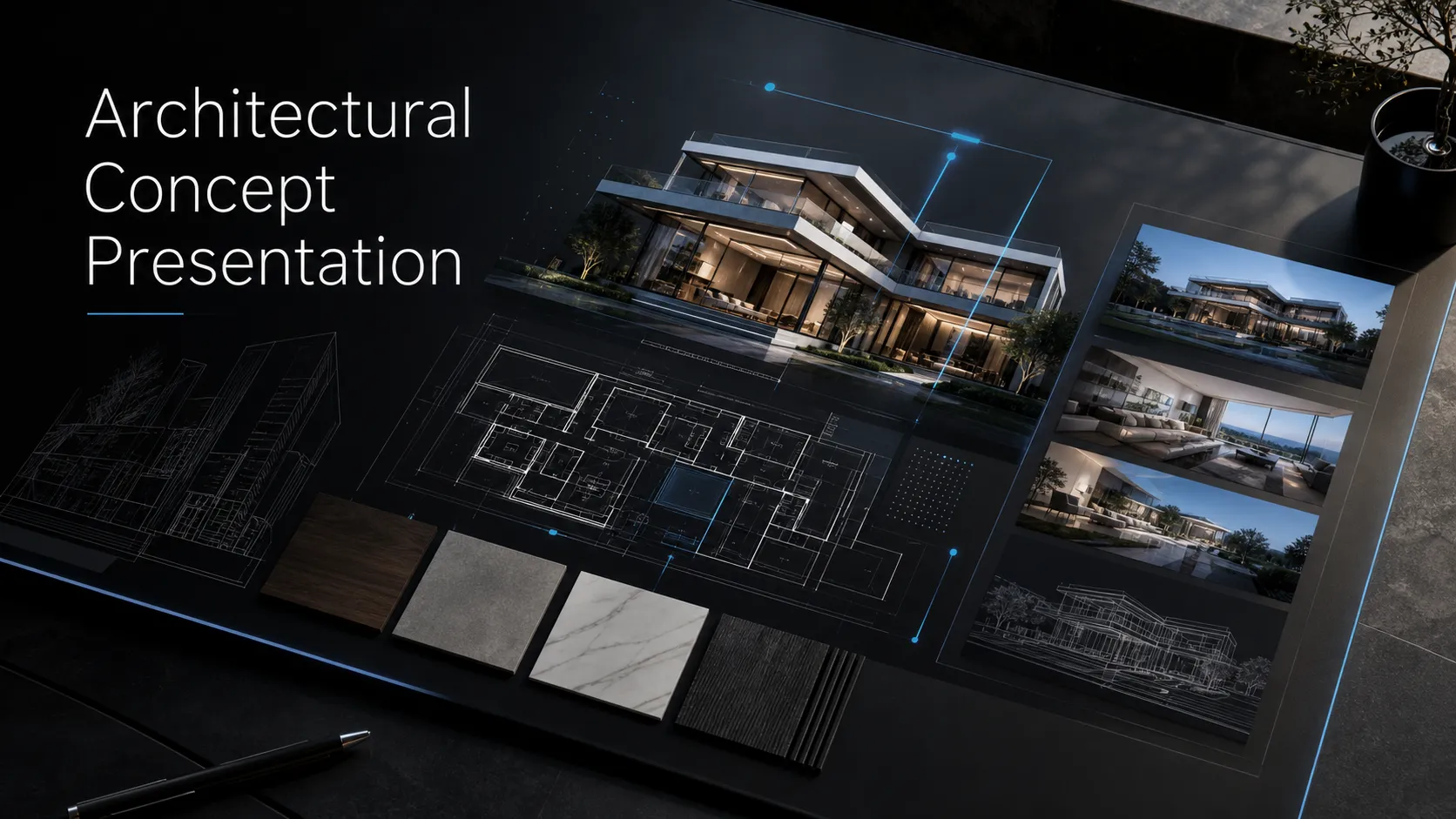
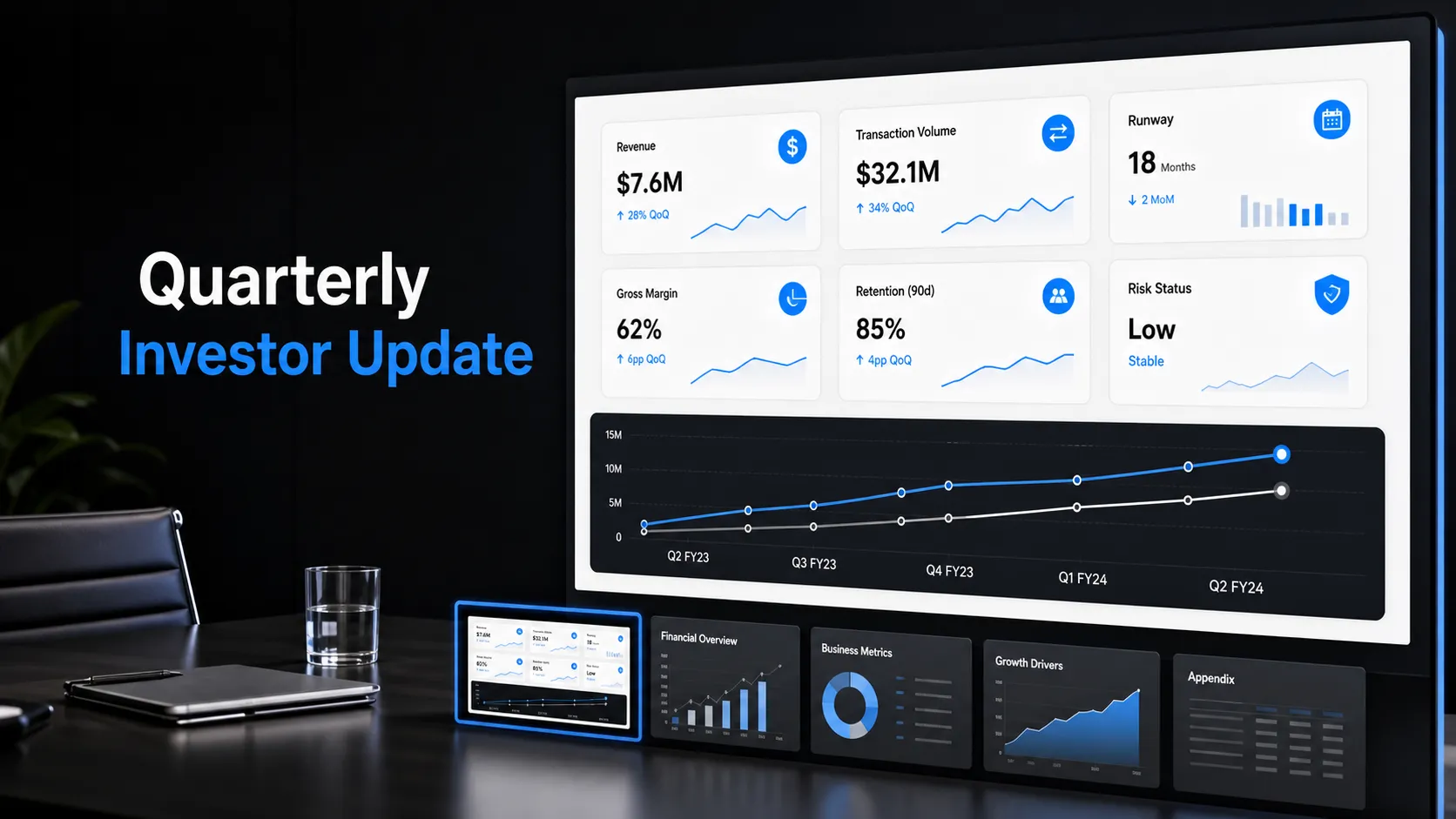
Creative Agency Client Proposal Template: Winning B2B Deals with Aesthetics
A creative agency proposal PPT is not just a container for beautiful work. For premium B2B clients, it is a business case, a trust signal, and a preview of how your agency thinks under pressure. The design matters, but the visual quality only helps when it supports a clear argument: why this problem matters, why your approach is credible, and why the client should move forward now.
That is why a high-end client proposal needs more than a polished cover slide. It needs strategic diagnosis, persuasive flow, commercial clarity, and aesthetics that make the agency feel sharp, mature, and reliable.
Why Creative Agency Proposals Need More Than Good Design
Most creative teams already understand taste. They know typography, layout, color, mood, and brand expression. The harder challenge is turning that taste into a B2B sales presentation that helps senior decision-makers say yes.
A client is rarely evaluating design in isolation. They are asking whether your agency understands the business context, can manage complexity, and will deliver without creating risk. A proposal that looks impressive but lacks structure may feel exciting at first, then vague when stakeholders discuss budget, scope, and ROI.
The boundary is simple:
- Aesthetic quality earns attention.
- Strategic clarity earns confidence.
- Commercial structure earns the next meeting, approval, or signature.
The strongest agency proposals combine all three.
What High-End B2B Clients Expect in a Proposal Deck
Premium clients expect a high-end client proposal to feel tailored. They do not want a generic agency credentials deck with their logo added to the cover. They want evidence that you understand their market, their audience, their internal pressures, and the business reason behind the creative work.
A strong marketing agency pitch deck should show a sharp diagnosis of the client situation, a relevant insight, a differentiated creative direction, and a realistic delivery plan. It should also make the buying committee feel safe. That means clear deliverables, visible team ownership, proof of capability, and an investment section that connects price to value rather than hiding behind vague language.
In B2B sales, senior stakeholders often care less about how “cool” the deck looks and more about whether it reduces uncertainty. Good aesthetics help, but only when the proposal also answers the business questions behind the brief.
The Creative Agency Proposal PPT Structure That Works
A reliable proposal structure gives your pitch momentum. It prevents the deck from becoming a loose collection of ideas and makes it easier for the client to follow your reasoning.
Start with a strong cover slide that feels specific to the client and the opportunity. Then move into client context, showing that you understand the business environment. Define the business challenge in plain language before introducing the opportunity insight that reframes the problem.
From there, present your proposed strategy and creative direction. This is where the agency’s point of view should become visible. After that, explain the deliverables, timeline, team, proof of capability, pricing or investment, and next steps.
The order matters. If you present creative concepts before the business logic, the client may judge the work too subjectively. If you present pricing before value, the number may feel disconnected. A persuasive flow helps the client understand why each slide exists.
Where Aesthetics Actually Influence the Buying Decision
Aesthetics influence buying decisions because they signal discipline. A proposal with refined typography, consistent layouts, strong hierarchy https://www.nngroup.com/articles/visual-hierarchy-ux-definition/ , and premium visual pacing tells the client that your agency is careful with details. For creative services, that signal is especially important because the proposal itself becomes a sample of your standards.
However, aesthetics should not compete with comprehension. The best proposal decks use design to guide attention. Headlines should make the argument clear. Visuals should support the insight. Brand cues should feel intentional, not decorative. White space should create confidence, not emptiness.
For premium B2B clients, visual quality often communicates four things: taste, control, relevance, and maturity. The deck should feel distinctive enough to represent your agency, but restrained enough to support a serious commercial decision.
Common Proposal Mistakes That Weaken Agency Pitches
Many agency proposals lose impact for predictable reasons. They spend too many slides introducing the agency before showing meaningful client understanding. They rely on generic process diagrams that could belong to any studio. They show beautiful visual references without explaining why the direction is strategically right.
Another common issue is over-designing individual slides while under-structuring the overall narrative. A deck can look impressive page by page but still fail as a sales argument. Vague deliverables, unclear ownership, and weak next steps also create friction. If the client cannot easily explain the proposal internally, the deal becomes harder to advance.
How Pi Helps Agencies Build Business-Ready Proposal Decks
Pi, short for Presentation Intelligence, is an AI presentation maker and AI PPT generator built for professional business presentations. For agencies, Pi is useful because proposal work requires both creative polish and commercial logic. It helps teams move from scattered notes, strategy fragments, visual references, and sales inputs into a cohesive proposal deck that feels ready for a serious client conversation.
Pi should not replace discovery, strategy, or relationship-building. Those remain core agency responsibilities. Its value is in helping agency teams turn their thinking into a structured, visually refined presentation faster and with less manual slide production.
1. Business Logic Comes Before Slide Styling
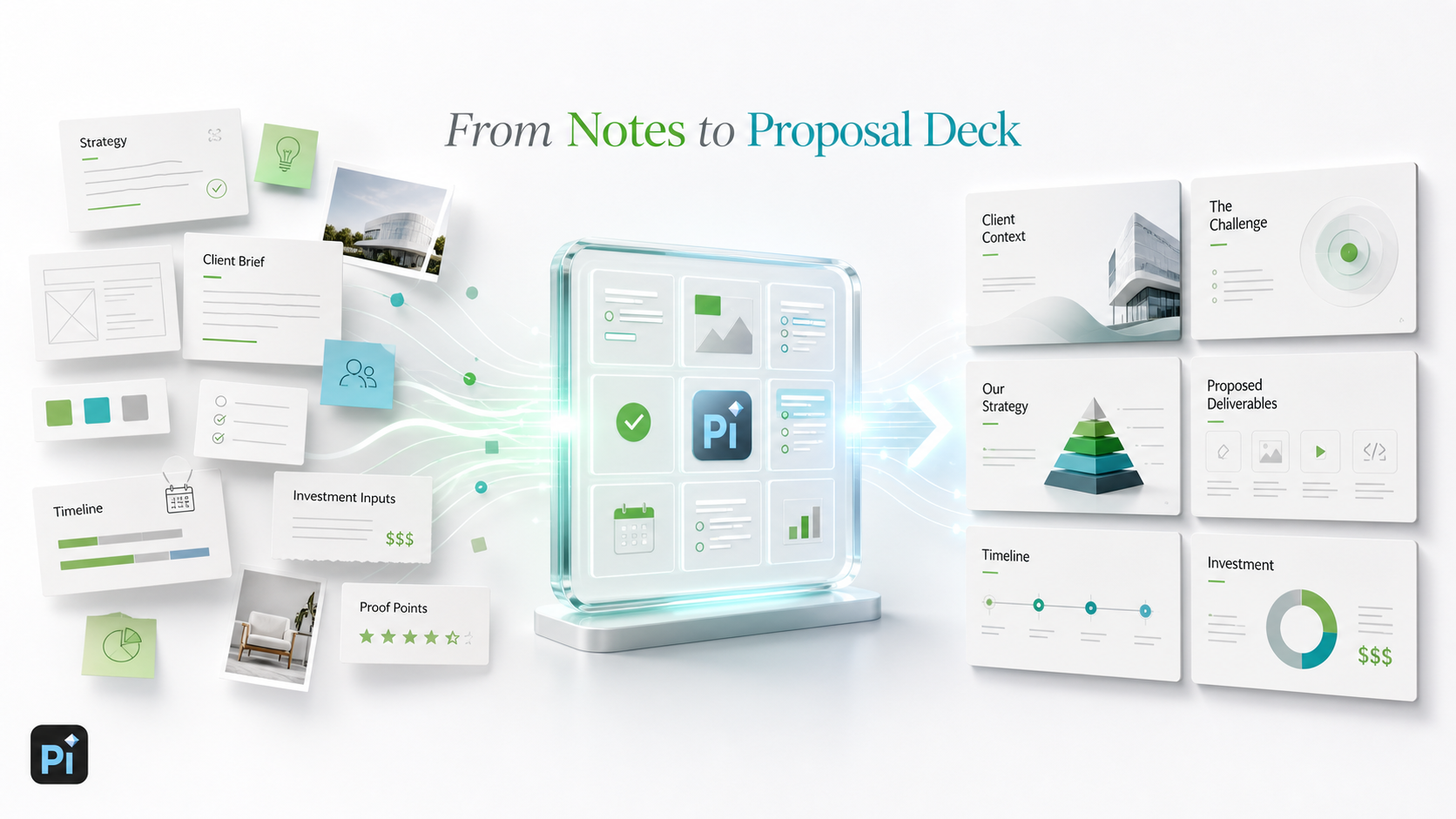 Pi helps organize the proposal argument before focusing on slide appearance. That means clarifying the client problem, the agency perspective, the solution logic, and the decision path. Instead of generating disconnected slides from a single idea, Pi supports a more business-ready structure where each section has a role in persuasion.
For agency teams, this matters because proposal decks often involve multiple contributors: strategy, account leadership, creative direction, production, and leadership. Pi helps shape those inputs into a clearer storyline.
2. Premium Aesthetics Support the Agency Brand
A creative agency proposal must look like it came from a team with taste. Pi helps produce cohesive, premium slide design that supports brand confidence without making the deck feel overworked. The goal is not decoration; it is visual credibility.
Strong layouts, polished hierarchy, and consistent design language help the proposal feel appropriate for high-ticket B2B services. When the deck looks controlled, the agency feels more controlled.
3. Multi-Agent AI Supports a Deeper Proposal Workflow
Pi uses Multi-Agent AI to support structure, narrative, and design quality as connected parts of the workflow. For proposal creation, that is important because a strong deck is not just written, designed, or formatted. It is assembled through strategic judgment. https://www.ibm.com/think/topics/multiagent-system
This deeper workflow helps agencies create a proposal that reads like a business argument and looks like a premium creative product.
Proposal Template Table: From Slide Section to Sales Purpose
| Proposal Section | What It Should Prove | Risk If Missing |
|---|---|---|
| Cover and framing | The opportunity is specific and important | The deck feels generic |
| Client context | You understand the business situation | The pitch feels self-centered |
| Challenge and insight | You can diagnose the real problem | The solution feels superficial |
| Strategy and creative direction | Your approach is differentiated and relevant | The work feels subjective |
| Deliverables and timeline | The engagement is practical and manageable | The client sees delivery risk |
| Team and proof | You have the capability to execute | Trust remains incomplete |
| Investment and next steps | The decision path is clear | Momentum slows after the meeting |
When to Use This Template for Client Pitches
This structure works well for a marketing agency pitch deck, brand proposal, creative retainer proposal, campaign proposal, website redesign proposal, or high-ticket B2B service proposal. It is especially useful when the buyer is not one person but a committee of marketing, sales, product, finance, and executive stakeholders.
The template is also valuable when the project has a premium price point. The higher the investment, the more the proposal must explain not only what the agency will create, but why the work matters and how the client can trust the process.
For smaller or highly informal opportunities, a lighter proposal may be enough. But when the client is strategic, the budget is meaningful, and the agency needs to stand apart, a structured proposal deck is usually worth the effort.
A Better Way to Build Premium Agency Proposals
The best creative agency proposal PPT is not a portfolio, a moodboard, or a pricing document. It is a persuasive business presentation that uses aesthetics to make strategy more credible. It shows the client that your agency understands the challenge, has a point of view, can deliver the work, and knows how to move the engagement forward.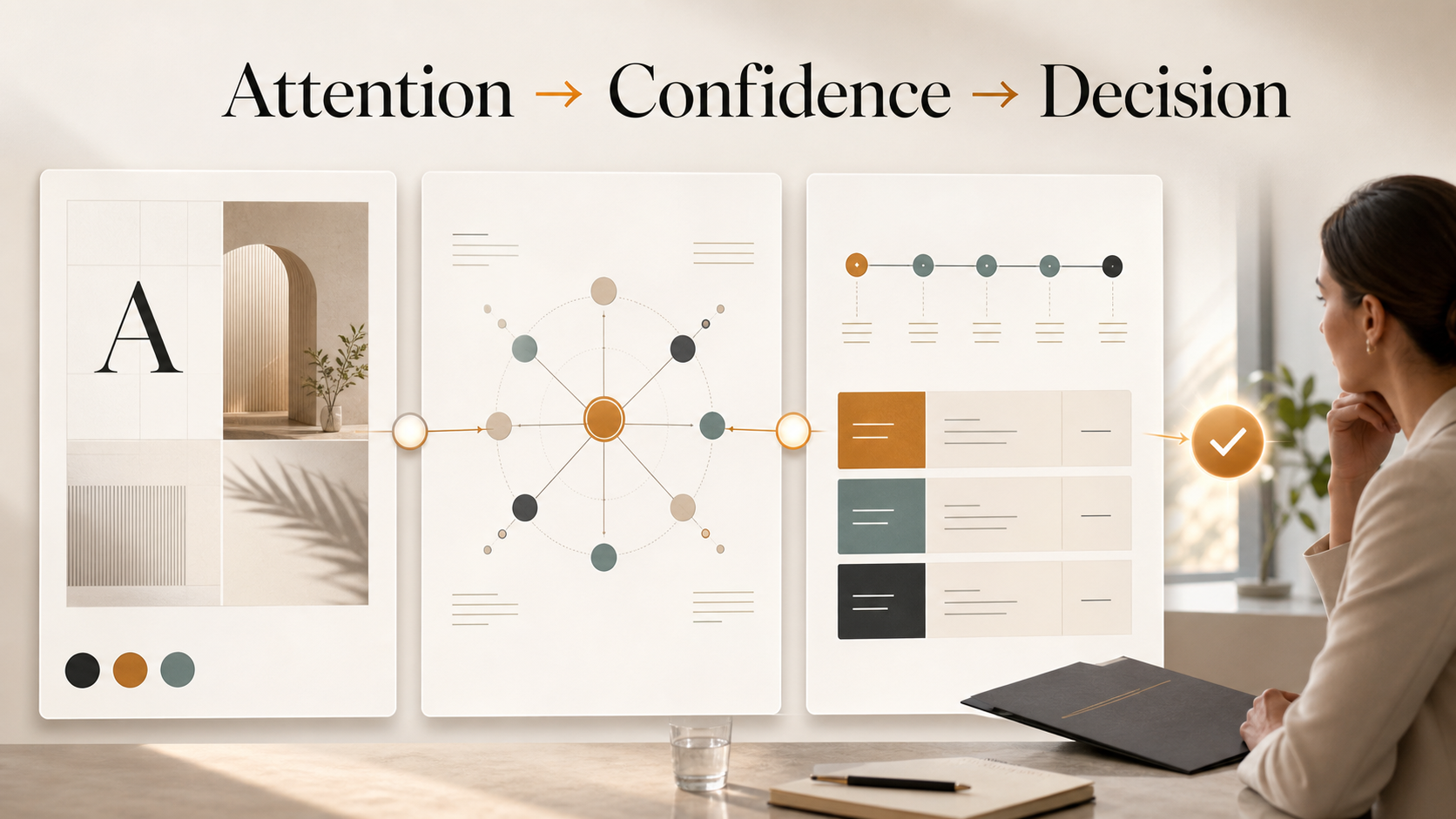
Pi helps agencies build that kind of proposal by combining business-ready structure, strategic flow, Multi-Agent AI, and premium visual quality. For teams that want to create polished, high-end client proposal decks without losing the logic behind the pitch, Pi offers a more professional way to move from idea to presentation.
Frequently Asked Questions (FAQ)
Q: What should a creative agency proposal PPT include? A: It should include a cover slide, client context, business challenge, opportunity insight, proposed strategy, creative direction, deliverables, timeline, team, proof, pricing or investment, and next steps.
Q: How long should a client proposal deck be? A: Most B2B agency proposal decks work well at 12 to 20 slides. The right length depends on deal size, complexity, and how much internal justification the client needs.
Q: How can I make a proposal look premium? A: Use strong typography, consistent layouts, clear hierarchy, restrained color, high-quality visuals, and client-relevant brand cues. Premium design should make the proposal easier to understand, not harder to read.
Q: Can AI help create a B2B sales presentation? A: Yes. AI can help structure the narrative, organize content, and create polished slides. For high-stakes proposals, the agency should still provide strategic judgment, client insight, and relationship context.
 Corporate Employee Onboarding Presentation: Engaging Internal Training Templates